
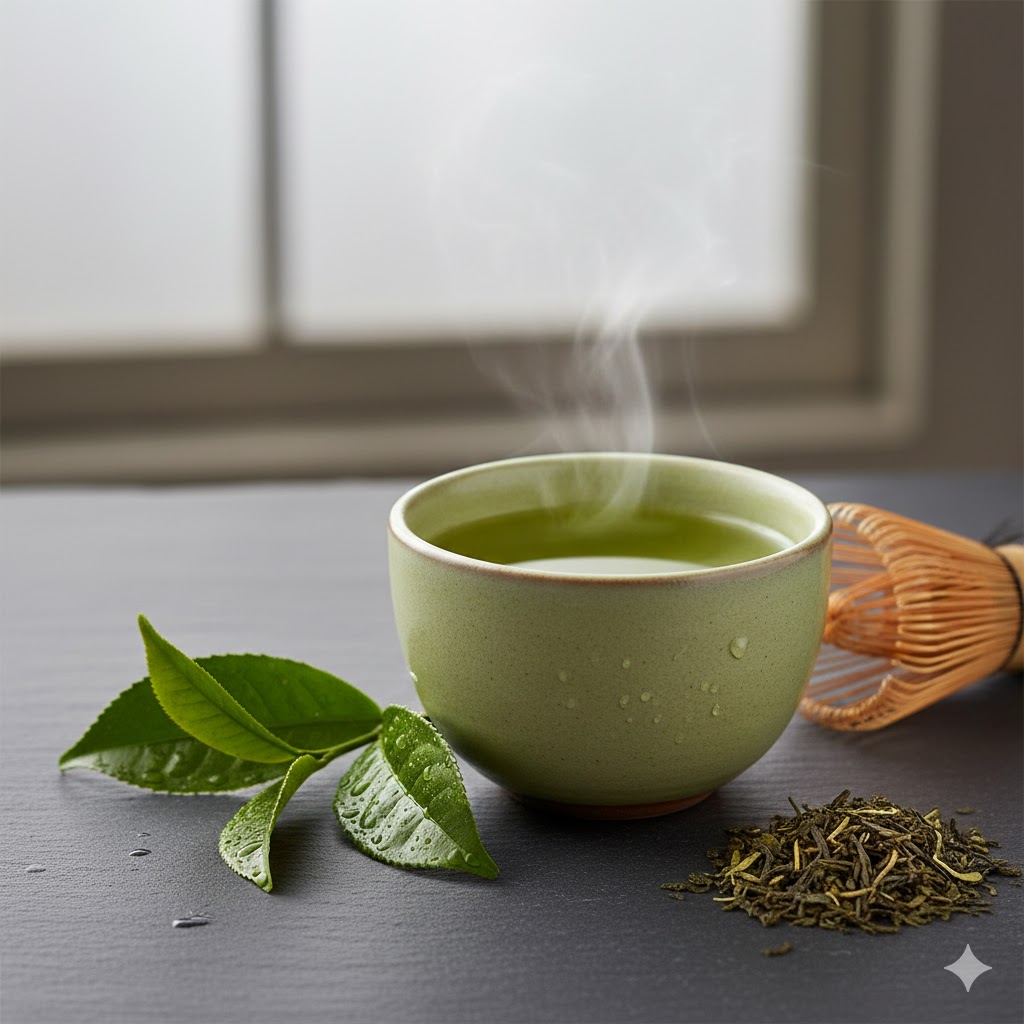
Best Answer is: Green tea is a minimally oxidized tea made from Camellia sinensis leaves, celebrated for its exceptionally high concentration of antioxidants. The main health benefits of green tea include boosting metabolic rate for weight loss, improving brain function and alertness, reducing the risk of cardiovascular diseases, and protecting against certain types of cancer.
For over 4,000 years, green tea has been used as both a social drink and a powerful medicine. While all teas come from the same plant, the unique way green tea is processed makes it the “best answer” for those looking to maximize their intake of healing polyphenols. Let’s explore the green secret behind this ancient brew.
What Does the Name “Green Tea” Mean?
The name Green Tea is a reference to the color of the leaves and the final liquid, but it also signifies the “freshness” of the processing method.
- The Color: Unlike black tea, green tea leaves are steamed or pan-fired almost immediately after harvest. This prevents oxidation, keeping the leaves—and the tea—bright green.
- Botanical Name: It comes from the Camellia sinensis plant. “Sinensis” is Latin for “from China,” which honors the plant’s original home.
In many Asian cultures, it is simply refered to as “tea” (Cha), as it was the original form of the beverage before fermented varieties became popular.
Where Does It Grow and Who Uses It Most?
Green tea thrives in humid, subtropical climates with high altitudes and acidic soil.
Geographic Insights:
- China: As the birthplace of tea, China remains the world’s largest producer. Provinces like Zhejiang are famous for “Dragon Well” tea, which has been a royal favorite for centuies.
- Japan: In Japan, green tea is a core part of the national identity. They specialized in Matcha (powdered green tea) and Sencha. The Japanese tea ceremony is a spiritual practice centered around the preparation of this “liquid jade.”
- The Global West: In recent years, the United Kingdom and North America have seen a massive shift from coffee to green tea, driven by the wellness movement and the desire for a “cleaner” caffeine boost.
Recent Analytical Data & Research (2024-2025)
Modern science is obsessed with a specific compound in green tea called EGCG. Here is what the latest reserch shows:
- Fat Oxidation: A 2024 study involving over 1,000 participants confirmed that regular green tea consumption can increase fat burning by up to 17% during moderate-intensity exercise.
- Longevity Data: Recent longitudinal data from 2025 suggests that people who drink 3-5 cups of green tea daily have a 25% lower risk of developing type 2 diabetes and heart disease compared to non-drinkers.
- Cognitive Synergy: Analytical tests show that the combination of L-theanine and caffeine in green tea provides a unique “calm alertness,” improving focus scores by 12% in office workers.
Top 3 Health Benefits
1. Powerful Antioxidant Protection
Green tea is loaded with polyphenols like flavonoids and catechins. These act as natural shields, protecting your cells from oxidative stress and reducing inflamation throughout the body.
2. Enhanced Brain Function
It doesn’t just keep you awake; it makes you smarter. The caffeine acts as a stimulant, while the L-theanine crosses the blood-brain barrier to increase GABA activity, reducing anxiety while keeping your mind sharp.
3. Fat Burning and Metabolic Support
If you look at the ingredients list for any commercial fat-burning supplement, you will likely see green tea extract. It helps increase the metabolic rate in the short term, helping your body turn food into energy more efficienty.
A Practical Usage Tip
Don’t use boiling water! This is the most common mistake people make. Boiling water (212°F/100°C) “burns” the delicate tea leaves and releases bitter tannins. For the “best answer,” let your water cool for about two minutes after boiling (aim for 175°F/80°C). Steep for exactly 2-3 minutes. This ensures you get all the healthy EGCG without the bitter taste. Also, avoid adding milk, as some studies suggest the proteins in milk can bind to the antioxidants and reduce their absorption.
Quick Summary
| Feature | Details |
|---|---|
| Main Compound | EGCG (Catechins) |
| Caffeine Level | Moderate (25-45mg per cup) |
| Best Time to Drink | Between meals (to maximize absorption) |
Conclusion: Green tea is more than a beverage; it is a ritual for health. By making it a part of your daily routine, you are giving your body an exelent tool for protection, energy, and mental clarity.
MEDICAL DISCLAIMER
The information provided here is for educational purposes. Green tea contains caffeine and may interact with certain medications, including blood thinners and stimulants. Always consult a healthcare professional before significantly increasing your intake.