
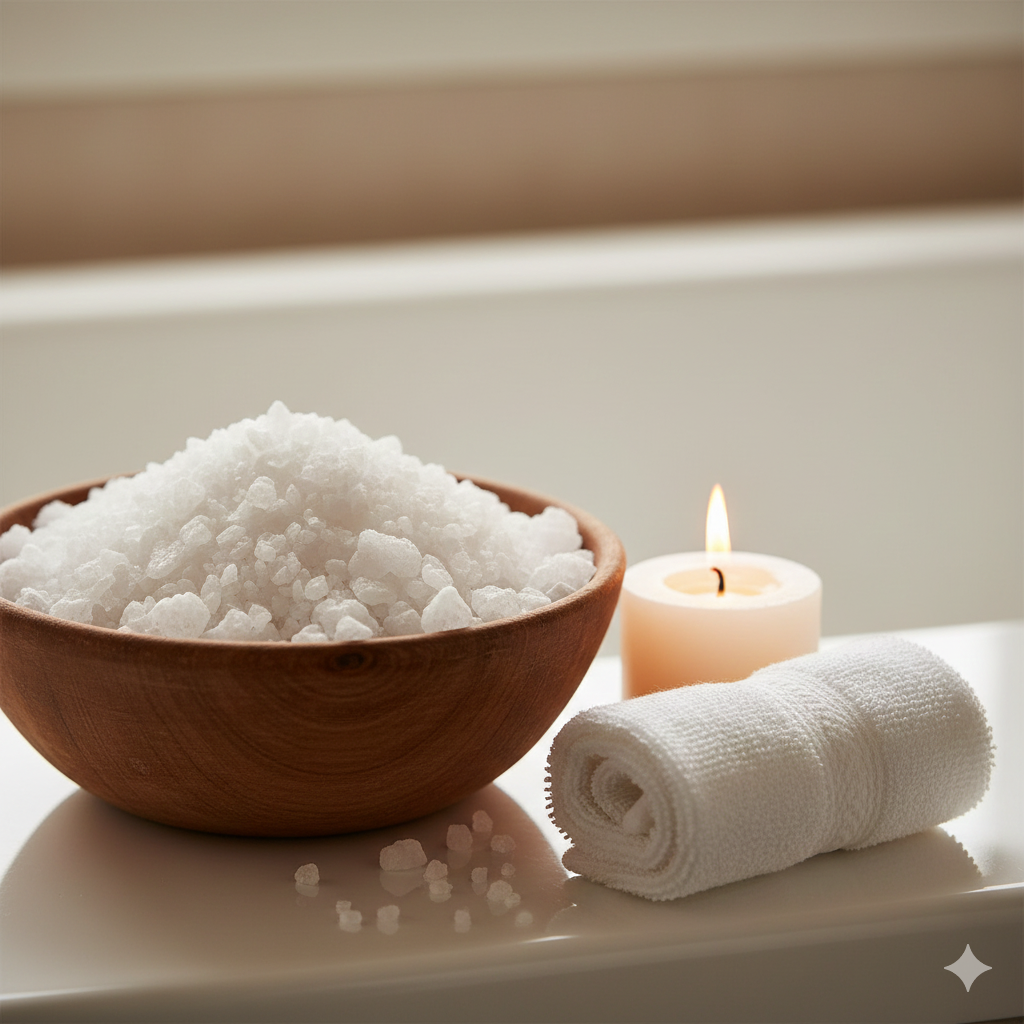
Best Answer is: Epsom salt is a naturally occurring mineral compound of magnesium and sulfate, primarily used in baths to soothe physical ailments. The main health benefits of epsom salt include relieving muscle soreness and cramps, reducing inflammation and swelling, promoting relaxation and better sleep, and aiding in the detoxification of the body through the skin.
Whether you are an elite athlete or someone looking to unwind after a long day, an Epsom salt bath has likely been recomended to you. Unlike regular table salt, this “bitter salt” is a powerhouse of minerals that your body craves. But where did it come from, and why has it remained a staple in wellness for over 400 years?
What Does the Name “Epsom Salt” Mean?
The name Epsom Salt is geographical rather than botanical. It doesn’t come from a plant, but from a specific location in England.
- Epsom: This is the name of a market town in Surrey, England. In 1618, during a severe drought, a local cowherd named Henry Wicker discovered a spring on Epsom Common.
- Salt: Although it looks like table salt, it is chemicaly different. It is magnesium sulfate. It earned the name “salt” because of its crystalline structure and the way it appears after evaporation.
In the 17th century, Epsom became the first true “spa town” in England, as people flocked from all over Europe to drink and soak in its “miracle waters” to purge their bodies of toxins.
Where Does It Grow and Who Uses It Most?
Epsom salt isn’t grown; it is extracted from natural mineral springs or created through a specific chemical process involving magnesium-rich rocks.
Geographic Insights:
- United Kingdom: The historical heartland. While the original springs in Epsom are now largely a historical site, the tradition of “taking the waters” started here and spread across the British Empire.
- North America: Currently, the United States is one of the largest producers and consumers. It is a fundamental part of the American “wellness bathroom,” used by millions for foot soaks and post-workout recovery.
- Germany & China: These countries are major global exporters of high-grade magnesium sulfate, supplying the pharmaceutical and agricultural industries world-wide.
Recent Analytical Data & Research (2024-2025)
The science of transdermal magnesium (absorption through the skin) is still being debated, but recent reserch highlights its undeniable effects:
- Stress Reduction Trends: A 2024 survey showed a 25% increase in the use of Epsom salt baths among urban professionals, correlating with a rise in “at-home spa” wellness trends.
- Chemotherapy Support: A 2025 clinical trial suggested that Epsom salt foot baths could help reduce peripheral neuropathy symptoms in patients undergoing certain medical treatments, improving their overal quality of life.
- Market Growth: The global Epsom salt market is projected to reach nearly $5 billion by 2025, driven by the increasing demand for organic and non-toxic personal care products.
Top 3 Health Benefits
1. Muscle Recovery and Pain Relief
Magnesium helps the body produce ATP (energy), but it also helps the muscles relax. An Epsom soak is the best answer for drawing out excess fluids and lactic acid that cause soreness after exercise.
2. Stress Management and Better Sleep
Stress depletes the body of magnesium. When you soak in a warm bath, the magnesium promotes the production of serotonin—a mood-elevating chemical in the brain—helping you feel calm and ready for deep sleep.
3. Reducing Swelling and Inflammation
Epsom salt acts as an osmotic agent, meaning it helps draw out toxins and excess water from the tissues. This is particulaly usefull for swollen feet, minor bruises, or even drawing out small splinters from the skin.
A Practical Usage Tip
Don’t just sprinkle, measure! To get the true therapeutic “best answer” from your bath, you need the right concentration. For a standard-sized tub, you should use at least 2 cups of Epsom salt. Most people only use a handful, which isn’t enough to create the osmotic pressure needed for the minerals to work their magic. Soak for at least 15 to 20 minutes, and try not to use soap in the same water, as it can interfere with the salt’s actions.
Quick Summary
| Feature | Details |
|---|---|
| Chemical Name | Magnesium Sulfate Heptahydrate |
| Primary Benefit | Muscle relaxation & Stress relief |
| Origin | Epsom, Surrey, England (1618) |
Conclusion: Epsom salt remains a timeless remedy because it works. Simple, affordable, and effective, it is an exelent way to support your body’s natural recovery processes in our fast-paced world.
MEDICAL DISCLAIMER
The information provided here is for educational purposes. People with kidney disease, heart conditions, or diabetes should consult a doctor before using Epsom salt, especially for internal use or prolonged soaking.