
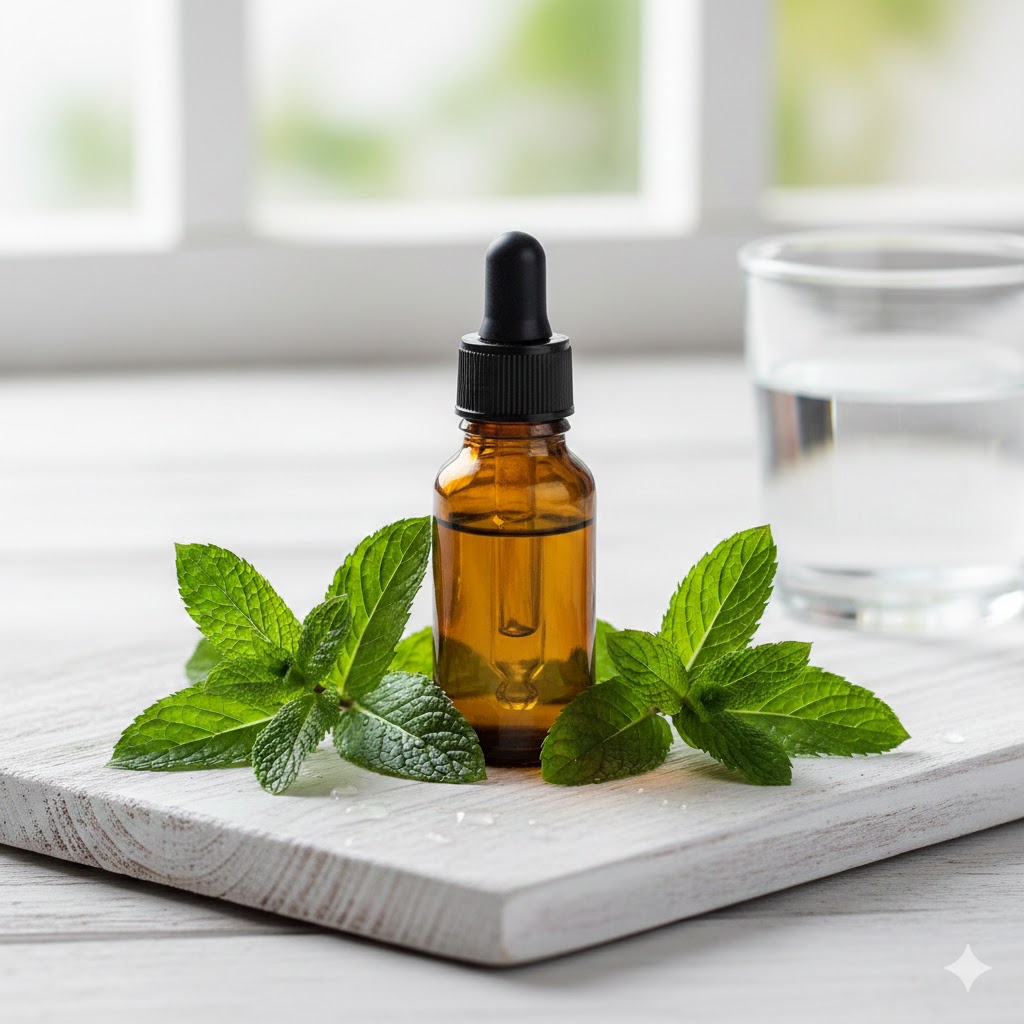
Best Answer is: Peppermint oil is a highly versatile essential oil extracted from the Mentha piperita plant, widely recognized for its cooling and antispasmodic properties. The main health benefits of peppermint oil include relieving digestive issues like IBS and bloating, reducing the intensity of tension headaches, clearing respiratory congestion, and improving mental focus.
If you have ever reached for a cup of mint tea after a heavy meal or used a cooling balm for a headache, you have already experienced the power of this herb. But peppermint is much more than just a refreshing scent; it is a clinicaly proven remedy with a history as cool as its taste.
What Does the Name “Peppermint” Mean?
The name Peppermint is a combination that describes both its biology and its sharp flavor profile. It comes from the Latin word Mentha and the Middle English word piment.
- Mentha: According to Greek mythology, Minthe was a river nymph who was transformed into a plant. The name has since become the standard for the entire mint family.
- Pepper: The “pepper” part was added in the 17th century to distinguish this specific plant from other mints because of its distinct, pungent, and “peppery” bite.
Where Does It Grow and Who Uses It Most?
Peppermint is a natural hybrid (a cross between watermint and spearmint) that loves moist, shaded areas.
Geographic Insights:
- Europe & The Mediterranean: This is the ancestral home of peppermint. Ancient Egyptians prized it so much that it was found in pyramids dating back to 1000 BC. In modern times, the United Kingdom is famous for producing some of the highest-quality Mitcham peppermint.
- North America: The United States (specifically Oregon and Washington state) is now one of the world’s leading producers. It is a staple in American dental and digestive health products.
- North Africa: In countries like Morocco, mint is more than a plant; it is a symbol of hospitality, though they typically use “Nana” mint, which is a close relative.
Recent Analytical Data & Research (2024-2025)
Is peppermint just for fresh breath? The recent reserch suggests a much deeper medical impact:
- The IBS Breakthrough: A major clinical review published in late 2024 confirmed that enteric-coated peppermint oil is significantly more effective than placebos for reducing abdominal pain in patients with Irritable Bowel Syndrome (IBS).
- Tension Headache Study: Recent data suggests that a 10% peppermint oil solution applied topically is as effective at stopping a tension headache as taking 1,000 mg of paracetamol, with much faster absorption.
- Market Demand: Global demand for organic peppermint oil has grown by 12% in 2025, driven by the clean-label movement in both the food and cosmetic industries.
Top 3 Health Benefits
1. Digestive Comfort (Antispasmodic)
Peppermint oil relaxes the smooth muscles of the GI tract. This helps gas pass more easily and prevents the painful spasms that cause cramping and bloating. It is the “best answer” for post-meal discomfort.
2. Relief for Tension Headaches
When applied to the temples, the menthol in the oil increases blood flow and provides a cooling sensation that dulls the pain of headaches and even some types of migraines.
3. Natural Decongestant
The menthol acts as an expectorant, helping to thin mucus and open up the airways. This makes it usefull during the winter season for those struggling with sinus pressure.
A Practical Usage Tip
Look for “Enteric-Coated” Capsules! If you are taking peppermint oil for digestion, the most common mistake is taking a regular liquid drop. The acid in your stomach can break the oil down too early, causing heartburn. Enteric-coated capsules ensure the oil reaches your intestines—where it is actualy needed—without irritating your stomach.
Quick Summary
| Feature | Details |
|---|---|
| Main Active Ingredient | Menthol (35–45%) |
| Best For | IBS, Headaches, Sinusitis |
| Traditional Region | Europe, Egypt, North America |
Conclusion: From ancient Egyptian tombs to modern clinical trials, peppermint oil has proven itself as a reliable and powerfull natural remedy. Whether you use it for a headache or a bellyache, its cooling touch is a true gift from nature.
MEDICAL DISCLAIMER
The information provided here is for educational purposes. Peppermint oil can interact with certain medications, including those for acid reflux or gallbladder issues. Always consult a healthcare professional before starting a new supplement regimen.