
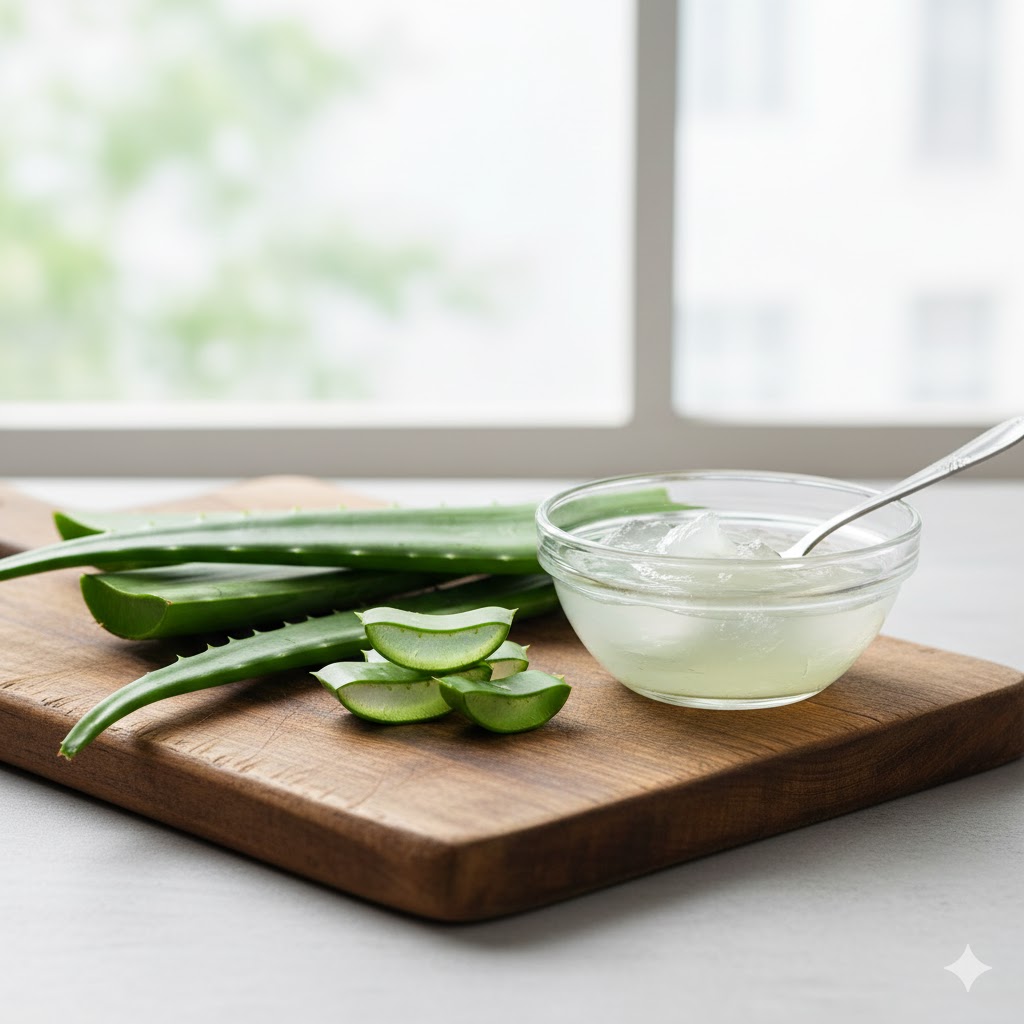
Best Answer is: Aloe Vera is a succulent plant renowned for its potent healing gel, primarily used to soothe and repair skin, as well as support digestive health. The main health benefits of aloe vera include accelerating wound healing, reducing skin inflamation (sunburns, acne), aiding in digestion and relieving constipation, and providing a rich source of antioxidants.
From ancient Egyptian queens like Cleopatra to modern-day skincare lines, Aloe Vera has been hailed as a “miracle plant” for centuries. Its thick, fleshy leaves hide a clear gel that is a true gift from nature. But what makes this desert plant so powerful, and how did it earn its legendary status?
What Does the Name “Aloe Vera” Mean?
The name Aloe Vera is a combination of Arabic and Latin words that perfectly describe its nature and benefits.
- Aloe: This comes from the Arabic word “alloeh,” which means “shining bitter substance.” This refers to the bitter yellow sap found in the outer leaf, distinct from the clear gel.
- Vera: In Latin, this word means “true.” So, “Aloe Vera” essentially means the “true aloe,” distinguishing it from other less potent aloe species.
It was often called the “Plant of Immortality” by the Egyptians and the “Heavenly Healer” by the Chinese, highlighting its universal healing reputation.
Where Does It Grow and Who Uses It Most?
Aloe Vera is a resilient plant that thrives in dry, arid climates. Its unique ability to store water in its leaves allows it to survive in harsh conditions.
Geographic Insights:
- North Africa & Middle East: This is the natural habitat of Aloe Vera. In countries like Egypt and Saudi Arabia, it has been a household remedy for generations, particularly for burns and skin irritations.
- Caribbean & Latin America: Spanish explorers introduced Aloe Vera to the Americas. Today, countries like the Dominican Republic and Mexico are major producers, especially for the cosmetics industry.
- India & China: Although not native, it has been integrated into Ayurvedic and Traditional Chinese Medicine for its detoxifying and digestive benefits. Globally, the United States and Europe are the biggest consumers of Aloe Vera products, from drinks to skincare.
Recent Analytical Data & Research (2024-2025)
Modern science is increasingly confirming the ancient claims about Aloe Vera. Recent reserch and market trends show:
- Wound Healing Efficacy: A 2024 meta-analysis in a dermatological journal found that topical application of Aloe Vera gel significantly reduced healing time for first and second-degree burns by an average of 9 days compared to conventional treatments.
- Digestive Health: Clinical trials in 2025 indicated that daily consumption of Aloe Vera juice can reduce symptoms of irritable bowel syndrome (IBS), particularly constipation, due to its mild laxative properties.
- Market Growth: The global Aloe Vera market is projected to reach over $1.5 billion by 2030, driven by increasing consumer demand for natural ingredients in health beverages and beauty products.
Top 3 Health Benefits
1. Soothing Skin & Healing Wounds
The clear gel inside the leaves contains compounds called polysaccharides, which stimulate skin cell growth and repair. It is a fantastic natural remedy for sunburns, minor cuts, and even insect bites due to its anti-inflamatory properties.
2. Digestive Aid & Constipation Relief
Aloe Vera juice can act as a gentle laxative, promoting healthy bowel movements. It also contains enzymes that help break down sugars and fats, assisting in more efficient digestion.
3. Antioxidant and Antimicrobial Power
Rich in vitamins (A, C, E, B12) and minerals, Aloe Vera fights free radicals that damage cells. It also has natural antiseptic properties that can help inhibit the growth of certain bacteria and fungi.
A Practical Usage Tip
Use the Inner Gel, Avoid the Latex! When harvesting Aloe Vera directly from a plant, cut a lower leaf close to the stem. Let it stand upright for 10-15 minutes in a cup to allow the yellowish latex (aloin) to drain out. This latex can be a strong laxative and cause stomach upset. Once drained, scoop out the clear inner gel, which is the “best answer” for internal or external use.
Quick Summary
| Feature | Details |
|---|---|
| Main Component | Clear Gel (Polysaccharides) |
| Best For | Skin Healing & Digestive Upset |
| Safety Rule | Drain the yellow latex before use |
Conclusion: Aloe Vera is a time-tested treasure, proving that sometimes the best solutions come straight from nature. Whether you are soothing a sunburn or supporting your gut, this versatile plant offers a gentle, yet powerfull, touch.
MEDICAL DISCLAIMER
The information provided here is for educational purposes. Aloe Vera can interact with certain medications, including laxatives and diabetes drugs. Always consult a healthcare professional before starting a new supplement regimen, especially for internal use.