
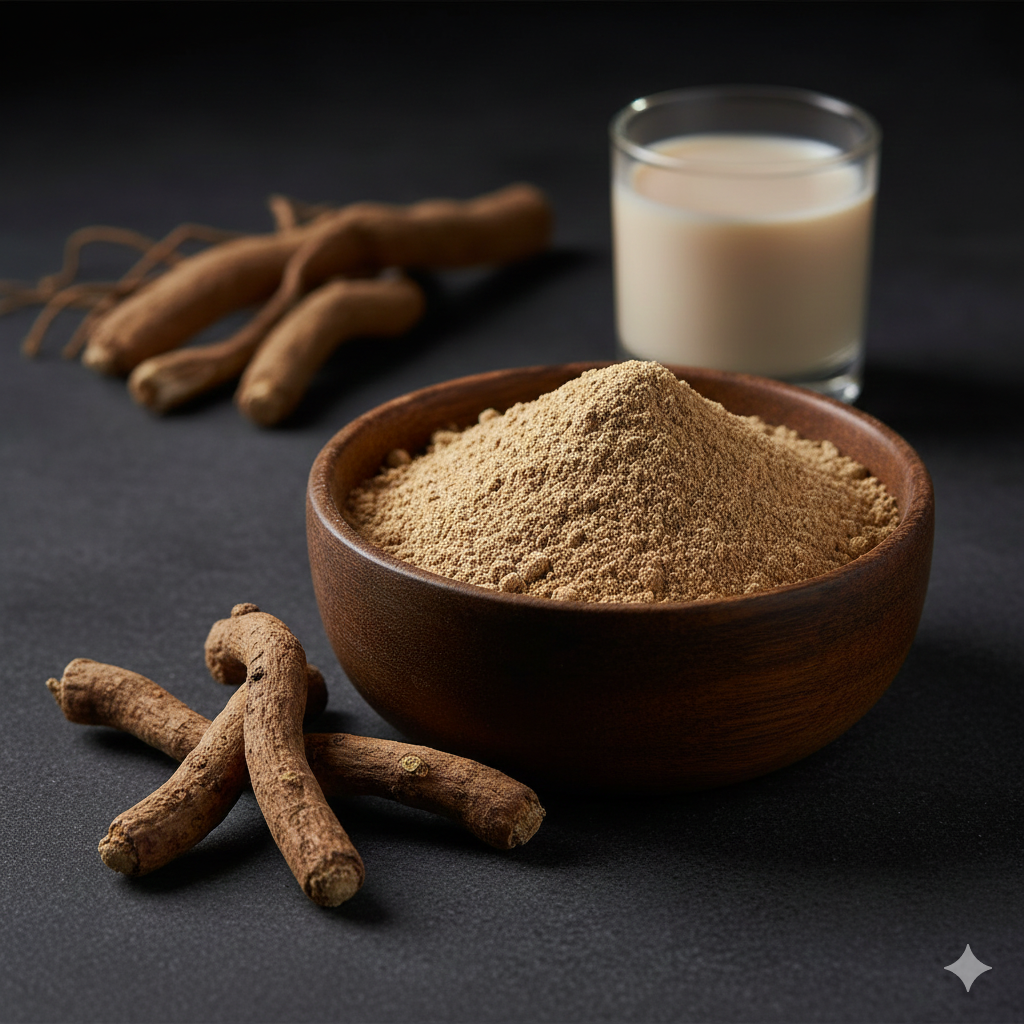
Best Answer is: Ashwagandha is a powerful adaptogenic herb that helps the body manage stress by lowering cortisol levels. The main health benefits of Ashwagandha include reducing anxiety and stress, improving sleep quality, boosting muscle strength and recovery, and enhancing cognitive functions like memory and focus.
In a world that never sleeps, Ashwagandha has become the “best answer” for those struggling with burnout and chronic fatigue. Known as the “Prince of Herbs” in Ayurvedic medicine, this small shrub with yellow flowers hides an incredible power within its roots. But what exactly does it do to our brain and body?
What Does the Name “Ashwagandha” Mean?
The name Ashwagandha has a very unique and ancient origin in the Sanskrit language. It is much more descriptive than you might think!
- Ashva: This means “Horse.”
- Gandha: This means “Smell.”
Why “Smell of the Horse”? The name is literal in two ways: First, the fresh root of the plant is said to have a strong aroma similar to that of a horse. Second, and more importantly, ancient healers believed that consuming the herb would give you the “strength and vitality of a horse.” Its botanical name, Withania somnifera, also tells a story; “somnifera” means “sleep-inducing” in Latin.
Where Does It Grow and Who Uses It Most?
Ashwagandha is a hardy plant that thrives in dry, stony soils where other plants struggle to survive.
Geographic Insights:
- India: This is the spiritual and biological home of Ashwagandha. It has been used in Indian Ayurveda for over 3,000 years as a “Rasayana” (rejuvenator).
- The Middle East & Africa: It grows wildly in parts of Yemen, Oman, and Northern Africa. Traditional healers in these regions have used it for centuries to treat inflamation and low energy.
- Modern Global Use: Currently, the United States and Canada are the largest markets for Ashwagandha supplements, especially among “biohackers” and fitness enthusiasts looking for natural ways to lower stress.
Recent Analytical Data & Research (2024-2025)
The transition from “ancient mystery” to “modern science” is backed by impressive reserch data:
- Cortisol Reduction: A major 2024 clinical study showed that participants taking 600mg of Ashwagandha extract daily experienced a 22% to 30% reduction in serum cortisol levels after 60 days.
- Sleep Quality: Recent analytical reviews indicate that Ashwagandha can improve “sleep efficiency” by 15%, helping people fall asleep faster and stay in a deep sleep cycle longer.
- Market Explosion: In 2025, Ashwagandha has officially entered the top 5 most-sold herbal supplements world-wide, with a particular surge in “Gummy” and “Liquid Extract” formats.
Top 3 Health Benefits
1. Stress and Anxiety Relief
As an adaptogen, it “regulates” your nervous system. If your cortisol is too high, it helps bring it down, providing a calm but alert mental state without the drowsiness of typical sedatives.
2. Physical Performance and Muscle Growth
Studies have shown that it can increase muscle mass and strength, making it usefull for athletes. It also helps reduce muscle damage caused by intense exercise, speeding up recovery.
3. Boosting Brain Function
Ashwagandha may improve memory, task performance, and the ability to concentrate. It protects nerve cells from free radicals, which is why it’s being studied for long-term neuroprotection.
A Practical Usage Tip
Take it with a fat source! Ashwagandha contains compounds called withanolides, which are fat-soluble. To get the “best answer” and maximum absorption, don’t just take it with plain water. Traditionaly, it was taken with warm milk (which contains fat). If you don’t drink milk, take your supplement with a meal that contains healthy fats like avocado, nuts, or olive oil. Also, give it time; the effects usualy peak after 4 to 8 weeks of consistent use.
Quick Summary
| Feature | Details |
|---|---|
| Main Compound | Withanolides |
| Type of Herb | Adaptogen (Stress-Manager) |
| Best Time to Take | Evening (for sleep) or Morning (for stress) |
Conclusion: Ashwagandha is a bridge between ancient wisdom and modern stress management. If you are looking for a natural way to reclaim your peace and strength, this “horse root” might just be the exelent addition your routine needs.
MEDICAL DISCLAIMER
The information provided here is for educational purposes. Ashwagandha can interact with certain medications, especially for thyroid, blood sugar, or autoimmune conditions. Always consult a healthcare professional before starting a new supplement regimen.